Bulking and Cutting: The Complete Guide to Muscle Gain and Fat Loss Cycles
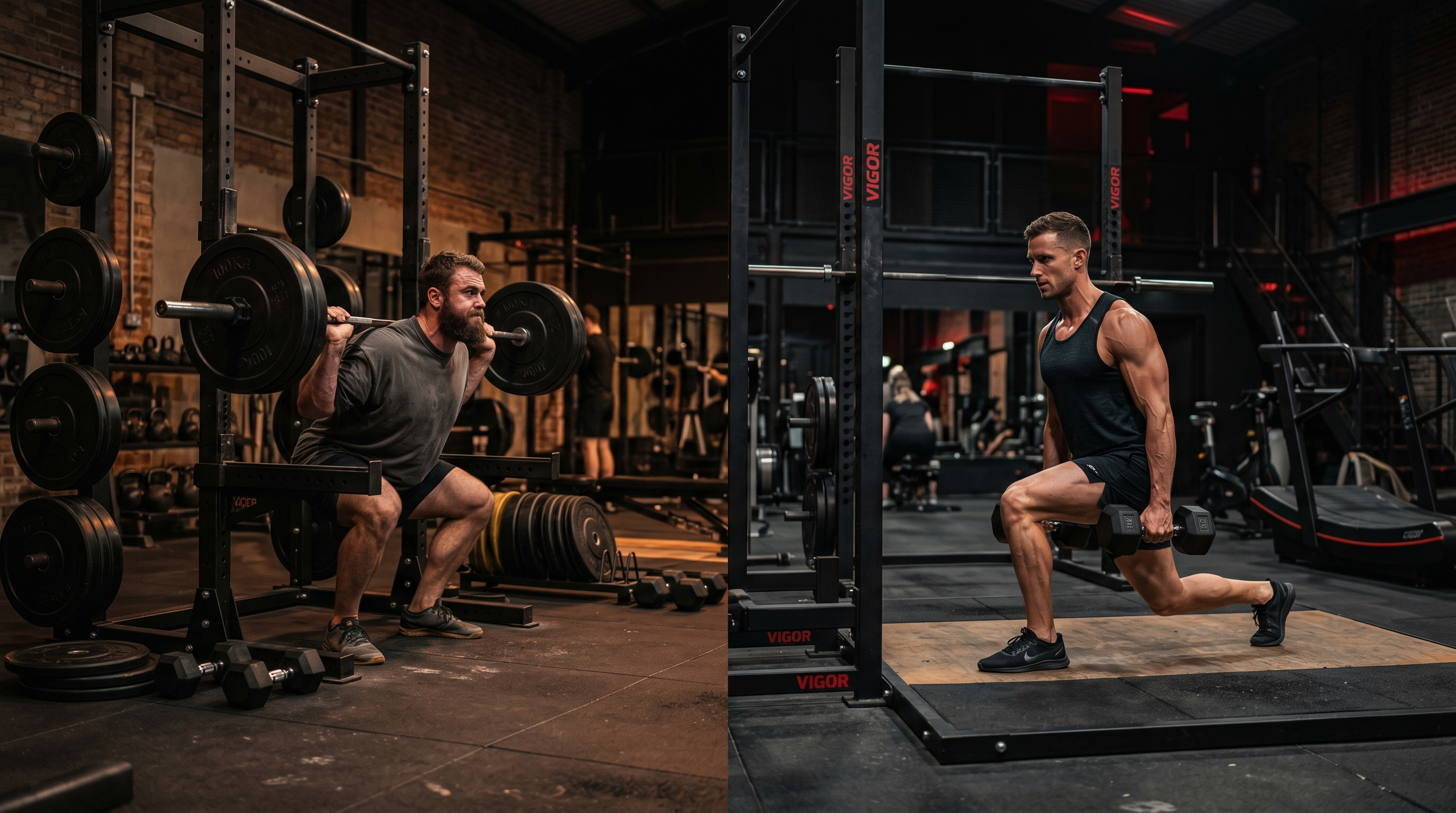
Is it possible to build muscle and lose fat simultaneously? Technically yes — but separating the two into distinct phases is far more efficient in practice. The bulk-cut cycle is strength training's systematic answer to this problem, refined over decades of real-world application.
What Is Bulking?
Bulking is a phase where you eat above your daily calorie maintenance (a calorie surplus) with the goal of gaining muscle mass. The extra calories, combined with high-intensity training, are directed as much as possible toward building muscle tissue.
The body cannot maximize muscle gain without a calorie surplus. Muscle tissue synthesis is an energy-demanding process; insufficient calories slow it down significantly. The purpose of a bulk phase is to remove that constraint.
What Is Cutting?
Cutting is a phase where you eat below your daily calorie maintenance (a calorie deficit) to reduce the body fat accumulated during a bulk. The goal is to preserve muscle mass while lowering your body fat percentage.
In a calorie deficit, the body draws on stored fat for energy. But without high protein intake and continued training, muscle tissue can also be lost alongside the fat.
Bulk vs. Cut: Side by Side
BULK PHASE
- Calorie surplus: +250–500 kcal/day
- Protein: 1.8–2.2 g/kg
- Training: high volume and intensity
- Expected gain: 0.5–1 kg/month
- Duration: 3–6 months
CUT PHASE
- Calorie deficit: −300–500 kcal/day
- Protein: 2.0–2.4 g/kg (higher)
- Training: strength work maintained
- Expected loss: 0.5–0.75 kg/week
- Duration: 2–4 months
Dirty Bulk vs. Clean Bulk
Dirty Bulk
Ignores food quality and uses a large surplus to gain weight quickly. Muscle gain may be slightly faster, but a disproportionate amount of fat comes with it. The subsequent cut phase gets significantly longer. Most athletes find this counterproductive over the long run.
Clean Bulk
Uses a small surplus (+250–400 kcal/day) for slow, quality mass gain with minimal fat accumulation. The cut phase is shorter and body composition improves more consistently over time. Preferred approach for most intermediate and advanced athletes.
When to Switch Phases
| Start bulking at | Switch to cutting at | |
|---|---|---|
| Males | ~10–12% body fat | ~15–17% body fat |
| Females | ~18–20% body fat | ~25–27% body fat |
These are reference points, not rigid rules. Mirror feedback and training performance are also valid signals. Starting a bulk at higher body fat reduces insulin sensitivity and slows the rate of muscle gain — which is why it's generally recommended to begin bulking from a relatively lean starting point.
Training During a Bulk
The calorie surplus of a bulk creates ideal conditions for pushing training harder. During this phase:
- Progressive overload is the priority: Aim for weight or rep increases week to week.
- Volume can be gradually increased: With extra energy available, weekly set counts can be pushed higher.
- Recovery still matters: Overtraining is possible even in a surplus — sleep and rest days are non-negotiable.
Preserving Muscle During a Cut
- Keep protein high: 2.0–2.4 g/kg is critical for muscle retention during calorie restriction.
- Maintain strength training: Add cardio if needed, but don't let it displace weight training.
- Don't over-restrict calories: Deficits beyond 500 kcal/day accelerate muscle loss.
- Be patient: 0.5–0.75 kg of loss per week is a sustainable, muscle-friendly pace.
Frequently Asked Questions
What is bulking?
Eating above your daily calorie maintenance (calorie surplus) to maximize muscle gain. The extra calories, combined with high-intensity training, are directed toward building muscle tissue.
What is cutting?
Eating below your daily calorie maintenance (calorie deficit) to reduce body fat accumulated during a bulk, while preserving muscle mass.
Dirty bulk or clean bulk?
Clean bulk (+250–400 kcal/day surplus) is more efficient for most athletes: minimal fat gain, shorter cut phases, better long-term body composition. Dirty bulk may slightly accelerate muscle gain but brings significantly more fat and a longer cut.
When should you switch from bulking to cutting?
A common reference: switch to cutting at ~15–17% body fat (males) or ~25–27% (females). Return to bulking once you've reached your target leanness — roughly 10–12% for males and 18–20% for females.
Track Your Bulk and Cut with VIGOR
Bulk and cut cycles live and die on data. During a bulk, progressive overload needs to be tracked to confirm muscle is being built. During a cut, strength numbers need to be monitored to ensure muscle isn't being lost. Log every session with VIGOR, add phase notes to track when you switched, and watch your 1RM charts respond to your nutrition cycles.
Bulking and cutting is the strategy of perfecting one goal at a time instead of chasing two simultaneously. A well-executed cycle delivers far better results than staying perpetually in the middle.
This content is for general informational purposes. For personalized nutrition and training planning, consult a qualified professional.