How Much Protein Do You Need Per Day? Science-Backed Guide
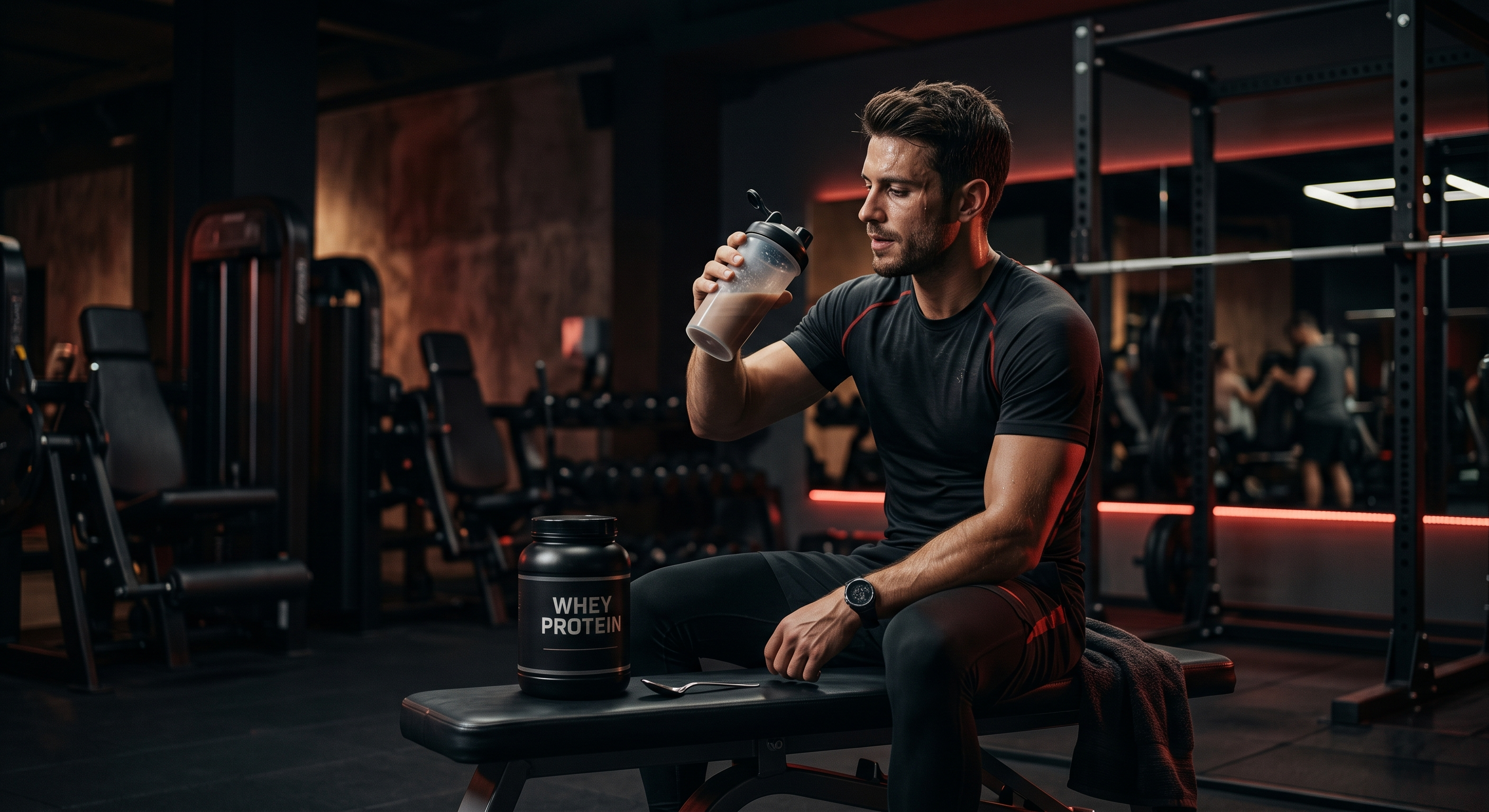
"Am I eating enough protein?" — one of the most common questions among people who train. The answer varies by person, but the science draws a clear framework. Here we break down both the evidence-based recommendations and the practical ways to hit your target.
Why Is Protein So Important?
Protein is the building block of muscle. Training causes micro-damage to muscle fibers; during recovery and growth, your body needs amino acids to repair that damage. Without adequate protein, muscle protein synthesis (MPS) slows down — progress stalls and maintaining existing muscle mass becomes harder.
Protein is also the most satiating macronutrient. That makes it indispensable whether your goal is fat loss, muscle gain, or both.
How Much Protein Do You Actually Need?
The WHO's recommendation for sedentary individuals is 0.8 g of protein per kg of body weight per day. But this is a minimum health threshold, not a performance target. Large meta-analyses in sports science tell a different story:
| Goal | Recommendation (per kg) | Example (165 lbs / 75 kg) |
|---|---|---|
| Sedentary / general health | 0.8 g | ~60 g/day |
| Active lifestyle / light sport | 1.2–1.4 g | ~90–105 g/day |
| Building muscle (hypertrophy) | 1.6–2.2 g | ~120–165 g/day |
| Losing fat while preserving muscle | 2.0–2.4 g | ~150–180 g/day |
Why does protein need increase during a cut? In a calorie deficit, your body can turn to muscle tissue for energy. Higher protein intake suppresses this catabolic effect, so you end the diet with more muscle intact.
How Much Protein Can You Absorb Per Meal?
For years the myth was "you can't absorb more than 30 g per meal." This is an oversimplification. Research shows MPS peaks at roughly 0.4 g/kg per meal (~30 g for a 75 kg person) — but that doesn't mean anything beyond that is wasted, only that it doesn't add more MPS stimulus. Your total daily protein intake matters far more than any single meal's amount.
A practical approach: spread your daily target across 3–5 meals to optimize both digestion and muscle protein synthesis.
Does Protein Timing Matter?
The "anabolic window" idea — that you must consume protein within 30 minutes of training or it doesn't count — is overblown. Current research shows protein timing is far less critical than total daily intake. That said, having a protein-rich meal within 1–2 hours before or after training is both practical and physiologically reasonable. A slow-digesting protein before bed (cottage cheese, casein) supports overnight muscle synthesis.
Best Protein Sources
- Animal: Eggs, chicken breast, turkey, lean red meat, tuna, cottage cheese, Greek yogurt, milk
- Plant-based: Lentils, chickpeas, beans, tofu, tempeh, edamame, quinoa
- Supplements (convenience): Whey protein, casein, pea + rice protein blend
Animal sources generally offer a more complete amino acid profile (especially high leucine). Plant-based eaters can close the gap by eating variety and adding a protein supplement if needed.
Is Hitting the Target Actually Realistic?
For a 75 kg person targeting ~150 g protein for muscle gain, a sample day looks like: breakfast with 3 eggs + 200 g Greek yogurt (~35 g), lunch with 150 g chicken breast + a serving of lentil soup (~45 g), post-workout whey shake (~25 g), dinner with 150 g tuna + cottage cheese (~45 g). Target reached.
Rather than tracking every gram forever, doing it for a few weeks builds intuition about what your diet is actually delivering.
Track Your Training, Feel Your Nutrition
Protein intake is the foundation of nutrition; training tracking is the foundation of progress. With VIGOR, log every set, rep, and weight increase — turn progressive overload into data and watch your muscle-building journey unfold in numbers. Core tracking is free for life.